
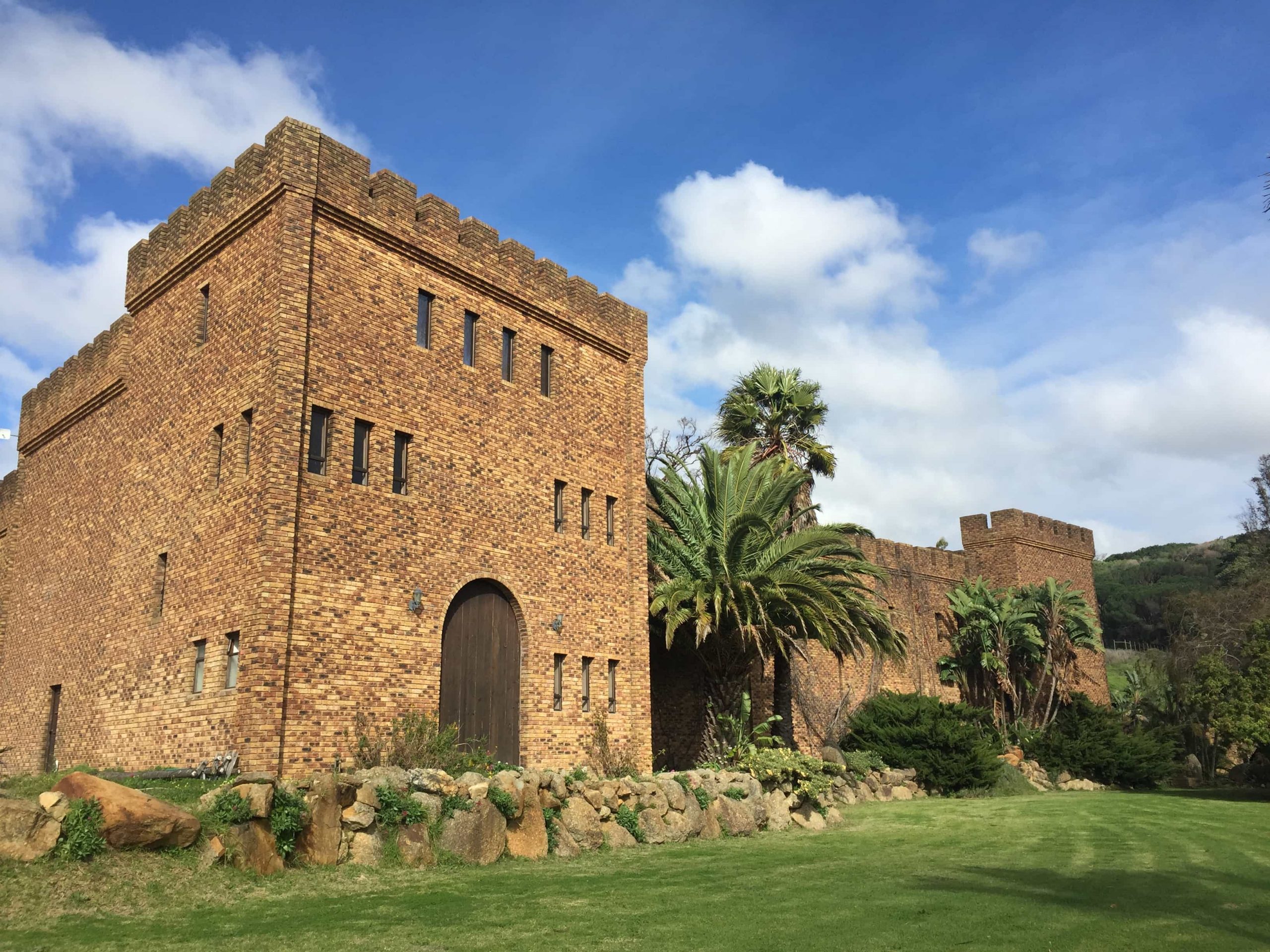
Com-fort-able Wines at Fort Simon
FORT SIMON WINE ESTATE
Saturday 29 June 2019
http://www.fortsimon.com/
Dr Peter Rating – Experience: 3.5/5
Dr Peter Rating – Wines: 3.5/5

Hazendal Fit for a Tsar, a Hare and a God of Wine
HAZENDAL WINE ESTATE
Saturday 29 June 2019
https://www.hazendal.co.za/
Dr Peter Rating – Experience: 4.5/5
Dr Peter Rating – Wines: 4/5
Call me silly but somehow I get Hazendal and Hartenberg muddled up. I have tasted their wines at festivals and award evenings but never visited either estate. Both wineries are on the Bottleray Road to the North West of Stellenbosch together with Mooiplaas, Kaapzicht, Groenland, Bellevue, Goede Hoop, Fort Simon and many more, some not open to the public without appointment. The mystery deepens for Hazendal as the 2019 Platter’s Wine Guide does not list or rate any wine for the winery as it was recently closed for extensive renovation. My tasting plan for today was to visit both wine estates, with Fort Simon between, to put my confusion to rest.
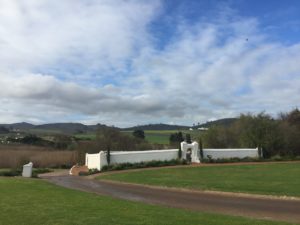
The approach to the Bottleray Road wine region from Cape Town is through dwindling, untidy suburbs so it is always a pleasure to reach the undulating winelands with their gentle slopes. Hazendal is the first estate reached from Brackenfell. Security at the entrance gate was extra tight – my UK driving licence being barely adequate – but I successfully gained entry. I had not been before so I had no idea what to expect and so I was pleasantly surprised when the tree-lined approach, with young vines and olives beside, crossed a small brook to a large grassed area surrounded by impressive historic Cape Dutch buildings with their whitewash walls, characteristic gables and thatch roofs. My eye was immediately drawn to the Jonkerhuis after parking at the rear. Built in 1781, it is believed that the building was constructed by Joost van As who was the son of Willem van As who bought the farm in 1729 and who was responsible for introducing the Cape Dutch style of architecture to Hazendal.
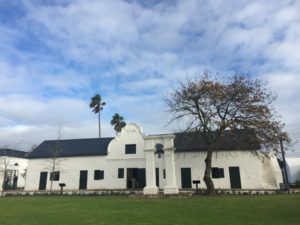
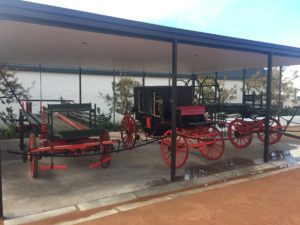
The Jonkerhuis housed slaves after the Homestead was built in 1790 but is now home to the Marvol Gallery. I now realised why there was the heavy security on entry when I saw the armed guard at the entrance with chest GoPro looking like a member of an American SWAT tactical team (photographs strictly not allowed). The Gallery houses works of Russian and South African art from owner Dr Voloshin’s private collection, who bought Hazendal in 1994. The rotating collection contained a display of modern-day Fabergé eggs. Made for Tsar Alexander III in 1885 for his wife, the eggs became symbols of splendour, power and wealth of the Romanov Dynasty and the Russian Empire. Production ceased after the 1918 Bolshevik Revolution when the factory was nationalised and the Fabergé family fled Russia. The trademark has since changed hands many times with most of the impressive, gilt and detailed eggs with inlaid previous and semi-precious stones at Hazendal, including 1 of only 2 ‘Mandela’ eggs, made under licence by the Victor Mayer jewellery company. The collection was impressive – as well as celebrating the history, relationship and art between Russia and South Africa – and well worth seeing if you visit Hazendal. As if to remind, the sign outside leading me to the Tasting Building had directions in Cyrillic as well as Roman lettering.
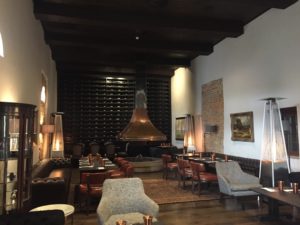
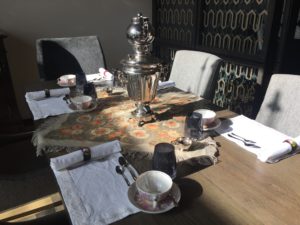
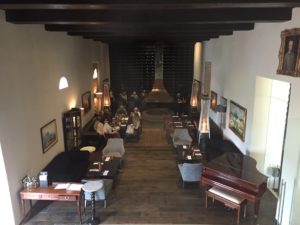
The Tasting Room and adjoining Avant-Garde Restaurant were equally impressive. Tall ceilings and modern décor bring a contemporary and rich touch to contrast the historic building. A number of diners were enjoying an extravagant Russian tea ‘brunch’ in the plush dining room, with large, exotic marine fish tank and bar at one end and the cellar with stainless steel tanks worthy of an art installation itself visible through glass panelling to the side. The Tasting Lounge, aptly housed in the original 1870 wine cellar, was grandiose and luxuriant as if for a Tsar with its signature shiny black, gold and copper coloured theme reminiscent of a Russian Orthodox Christian icon painting, babushka doll, or even the Fabergé eggs themselves. Tastings are either in the open lounge with welcome winter open log fire or around a bar beneath a cleverly designed mezzanine private room above. I chose to taste at the bar though the raised bar stools were not the most comfortable. Brent was my eager, polite and attentive host who remembered me from my tasting visit to Ken Forrester more than 2 years ago.


Tasting options include the 3 wines of the Christoffel Hazenwinkel Range (R35), 3 wines from the premium Hazendal Range (R65), or both (R90). I was fortunate to be able to sample the wines from across both ranges together with the Scarlet Sails MCC, usually not for tasting. The grapes are planted on 13 hectares of the 145 hectare property and include a wide range of common and less common cultivars (Carignan, Carménère, Albarinho, Marsanne and Roussanne being the less widely planted varieties) to suit the varied granite-based, red, yellow and brown soils amid the terroir at 150 metres to 400 metres above sea level. Besides being the most popular novel by the Russian author Grin, Scarlet Sails is a spectacular firework celebration during the White Nights Festival in St Petersburg, Russia. This is reflected in the elegant wine label with ship made with gold, bronze and copper coloured sails.
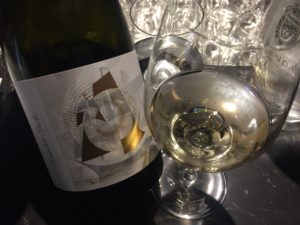
The very pale blush coloured MCC is aged for longer on the lees than most in South Africa (48 months for the 2015 vintage, 58 months for the 2014 vintage) to give distinct yeasty brioche notes on the nose. It was good to sample and compare both vintages. I rated them equally though they were not the same. The grapey nose, smooth moussante mouthfeel and fresh green apple and citrus flavours were similar. The 2014 vintage, containing 10% more Pinot Noir, was more subtle and elegant with a fuller body greater depth and length. The younger, 2013 wine showed a lighter but sweeter character with good acidity and grip on the palate.

The Christoffel Hazenwinkel Range includes easy drinking wines with the name being a tribute to the farm’s first owner who changed production from grain and cattle to vines to make Hazendal one of the first independent winemakers in the region. He was also a German settler and messenger to Governor Willem Adriaan van der Stel who granted him 60 hectares of land. South African white blends are usually a nod to white Bordeaux wines and made from Sauvignon Blanc with added Sémillon for extra body, moderated acidity, complexity and softer texture. The White Blend was thus unusual in being a mix of 4 common white cultivars – the Cremello at Cavalli and Laurens Campher White Blend at Muratie excepted – in broadly similar overall proportion. The wine benefitted with a fresh and complex nose of honeyed, floral and herbaceous apple and citrus aromas. The apparent sweetness of aroma hid a dry wine on the palate that was more rounded and with more body than a Sauvignon Blanc.

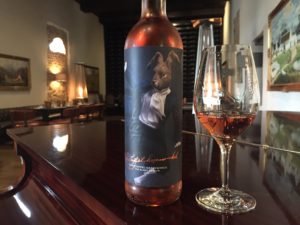
Hazendal translates from Dutch to mean ‘the valley of the hares’ and the painting of a hare in Regency styled clothing features on the wrap around labels of the Hazenwinkel wines. The Blanc de Noir made from Shiraz was medium pink in colour, much deeper than many a Rosé, from 6 hours skin contact before pressing. I was again fortunate to be able to taste from 2 vintages of this popular wine. The 2018 vintage showed a good intensity of raspberry and wild strawberry aromas – avoiding the temptation for customary sweet candy notes – and was better for it. This helped for a dry, clean, refreshing wine with good acidity and average length. I preferred, just, the older 2017 wine due to its more honey, perfumed and subtler aromas.


My favourite wine was the Bordeaux-styled Sémillon/Sauvignon Blanc that, again unusual for the style, was mostly Sémillon (67%). The wine, like those in the Hazendal Range, came in distinct Italian-imported, prosecco-shaped bottle. Why do anything the same as elsewhere? I liked the layered nose of guava, preach, nectarine and pear notes that overlaid those of more herbaceous and grassy green pepper. This made for an interesting wine with vanilla, oaked flavours (9 months in French and Hungarian 500 litre barrels) that emerged with extra complexity on the palate to give a rounding and balance.

The bush vine Chenin Blanc could only have been a Chenin Blanc due to its distinct white honey, tropical fruit salad, guava, litchi and vanilla aromas. These followed through to a flavoursome palate in which fruit, acidity and sweetness balanced. Oak flavours again come to the fore on the palate but freshness was retained by blending back 30% from stainless steel tanks. The same vinification and oaking techniques were used for the Chardonnay, the final white wine and penultimate wine of the tasting. Green and yellow apple aromas mingled with distinct vanilla and acacia (Hungarian oak) notes for a fresh and floral nose. The wine was youthful and fresh on the palate with a subtle oaking to show off the fruit flavours. This is an excellent wine for those of the ABC (Anything But Chardonnay) movement or for those who do not enjoy the more traditional or heavier oaked Chardonnay.
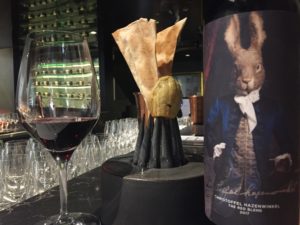
The sole red wine of the tasting (Hazendal has plans to produce more red wines) was the Red Blend from the Christoffel Hazenwinkel Range served with hare’s ear-shaped palate cleanser. This was another unusual blend. Besides being a less common Cape Blend (a Bordeaux-styled wine containing Pinotage) the Red Blend contained Pinot Noir. The wine was just full bodied and most likely less filtered than the white wines due to its slight opacity. Spiciness from each of the cultivars made for another interesting wine with the Pinotage contributing sweet banana notes to those of dark plum, red cherry, cinnamon and white pepper. Additional spiciness on the palate balanced the fruit flavours and fine, integrated tannins with a good finish for a well-priced red blend.
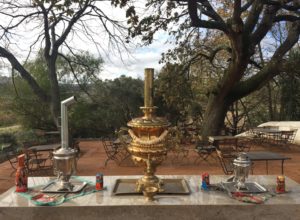
Hazendal, much like Cavalli, Waterford and Waterkloof, is a statement wine estate. Not only is there a signature restaurant but also other activities to tempt the wine drinker and family. There is the Marvol Gallery, Wonderdal children’s Edutainment Centre, family BMX Park, the Babushka Deli, Russian Tea experiences and Babushka picnics. The plus for Hazendal is that the quality of the wines has not suffered with owner and management attention being focused on the vinitourism activities as at Meerendal and Spier. The extensive restoration and redevelopment that was completed in 2018 cleverly combines 300 year old history and architecture with modern, contemporary living and adventure. New meets old but so too does South Africa meet Russia in seamless, integrated fashion. The avant-garde brand, even down to the unusual wine blends, wine labels and bottle shape, cleverly ties everything together to balance rather than clash. The Bacchus (Roman God of Wine) bronze logo, in use since 1831 to signify a commitment to produce fine, quality wines, is as relevant today as over the past 180 years. I thoroughly recommend a visit (noting winter closure of many activities until early August) and especially if you prefer white wines. Hazendal will embrace you whether Capetonian or from Stellenbosch, Franschhoek or the Wine Lands, or the rest of South Africa or visitor from overseas. Make a trip to the valley of the hares …
#capewinelover #DrPeter
Wines tasted (bought *):
Sparkling:
2015 Scarlet Sails MCC (54% Pinot Noir, 46% Chardonnay) – R360
2014 Scarlet Sails MCC (64% Pinot Noir, 36% Chardonnay) – R360
White:
2018 Christoffel Hazenwinkel White Blend (34% Chenin Blanc, 29% Sémillon, 25% Sauvignon Blanc, 12% Chardonnay) – R120
2017 Hazendal Sémillon/Sauvignon Blanc (67% Sémillon, 33% Sauvignon Blanc) – R295 FAVOURITE WINE
2017 Hazendal Chenin Blanc – R285
2017 Hazendal Chardonnay – R285
Rosé:
2018 Christoffel Hazenwinkel Blanc de Noir (100% Shiraz) – R120
2017 Christoffel Hazenwinkel Blanc de Noir (100% Shiraz) – R120
Red:
2017 Christoffel Hazenwinkel Red Blend (59% Shiraz, 26% Pinotage, 15% Pinot Noir) – R120
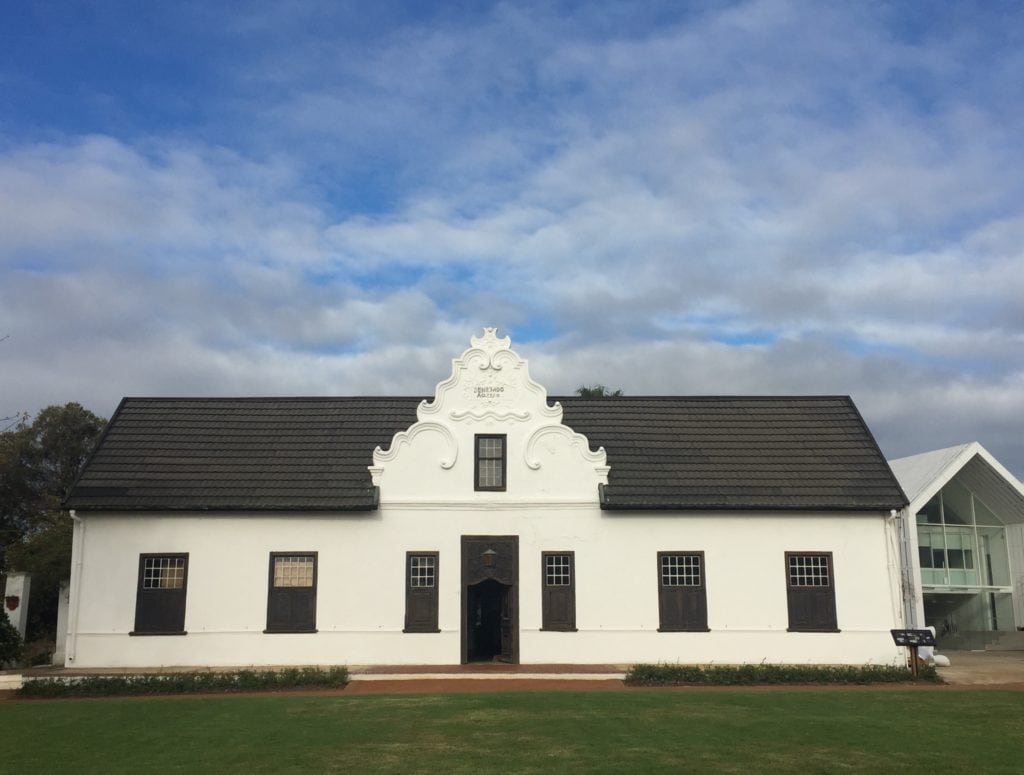
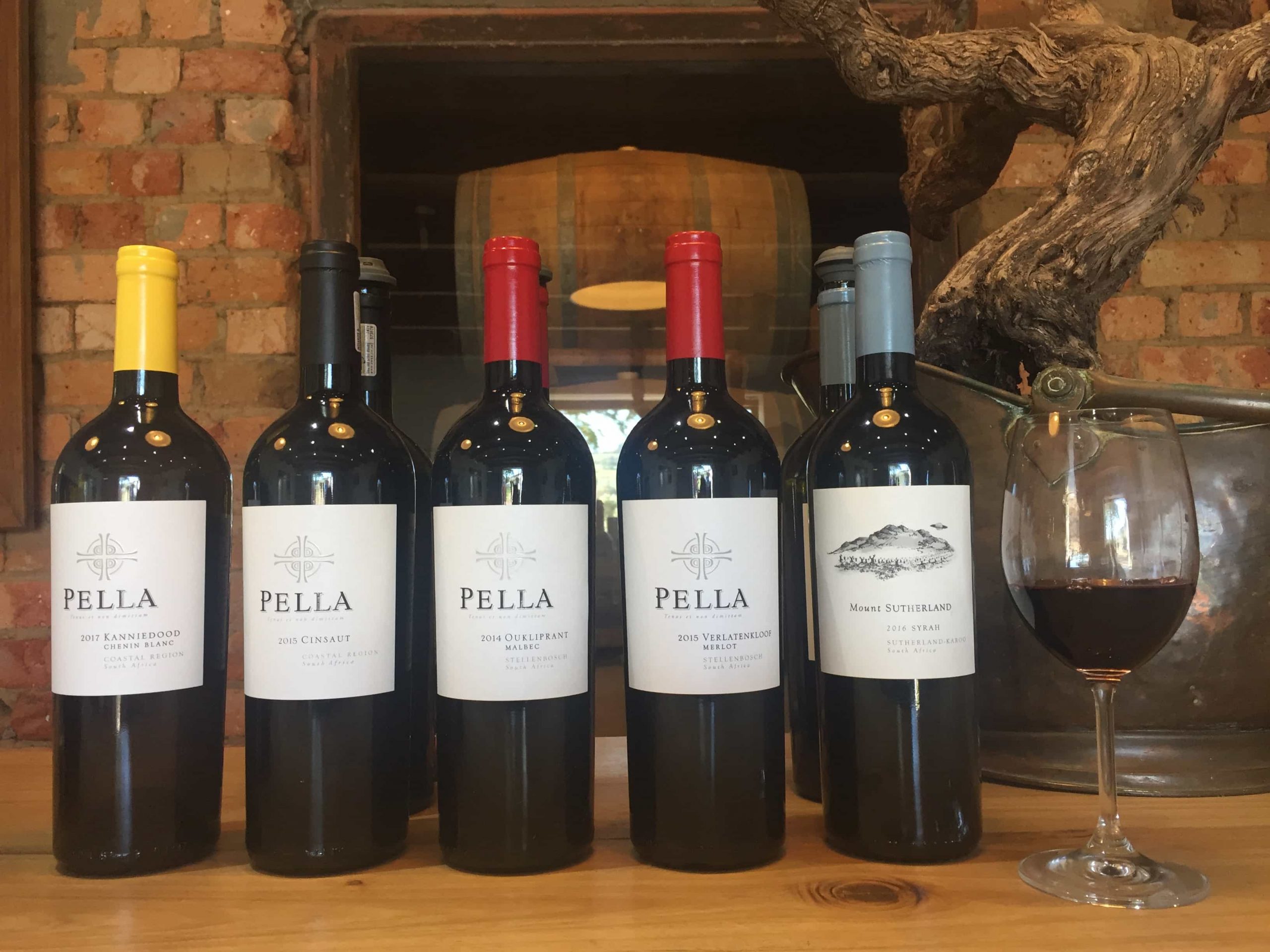
Super Surprises at Super Single Vineyards
SUPER SINGLE VINEYARDS – PELLA & MOUNT SUTHERLAND WINES
Thursday 27 June 2019
https://supersinglevineyards.co.za/
Experience: 4.5/5
Wines: 4.5/5

Individual Quality at Jordan
JORDAN WINE ESTATE
Thursday 27 June 2019
http://www.jordanwines.com/
Experience: 4/5
Wines: 4/5


Being Creative at Flagstone
FLAGSTONE WINES
Wednesday 19 June 2019
http://www.flagstonewines.com/
Experience: 4/5
Wines: 4/5

Diploma Done and Dusted – But for the Final Result – I Passed!
CAPE WINE ACADEMY – DIPLOMA COURSE – FINAL TASTING & EXAMS
Monday 10 June 2019
http://www.capewineacademy.co.za/index.php
Experience: 4/5

Same but Different End to the Diploma Lectures
CAPE WINE ACADEMY – DIPLOMA COURSE – MODULE 4 – DAY 3
Saturday 18 May 2019
http://www.capewineacademy.co.za/index.php
Experience: 4.5/5

Keermont Farmhouse Redefines Luxury
SOUTH STELLENBOSCH MINI BREAK
25-26 June 2019
https://www.keermont.co.za/
https://www.kleinood.com/home/
https://waterfordestate.co.za/
https://www.detrafford.co.za/
https://www.guardianpeak.com/
Experience: 5/5
Mini breaks away from home are always great. More so, when combined with wine tasting. Even more so, when tasting wines in the ‘Golden Triangle’ in the Upper Blaauwklippen and Annandale valleys to the South of Stellenbosch. Surprisingly, given the vast number of estates and closeness to my home in Cape Town, I have made short, overnight visits to the Wolseley/Tulbagh, Hermanus, Franschhoek, Robertson and Elgin wine regions but never to Stellenbosch. Sometimes, one visits least those areas closest to home. Ever since visiting the excellent Keermont for tasting in March this year, I wanted to return to sample the wines of some big name, fine wine estates nearby: Kleinood (Tamboerskloof), Waterford and De Trafford. It made eminent sense, therefore, to combine them into a single trip and to stay in the Keermont Vineyards Farmhouse.
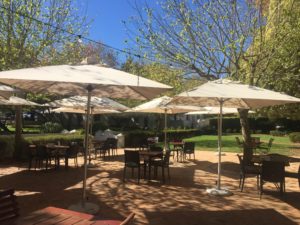
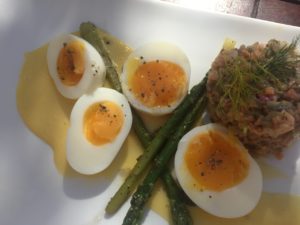

A short stop for an early lunch at the Bistro at Blaauwklippen made the perfect pit stop en route. My fiancée and I enjoyed fresh, lemon zesty, salmon ceviche with tasty fries in light shade outdoors before heading in perfect bright sunshine to the Upper Blaauwklippen Valley and Keermont. The road narrows as it progressively rises becoming potholed though easy enough for any 2×2 car. I was excited to show my fiancée somewhere that I had found so special. First things first though and I went straight to Keermont for a mini tasting, as my fiancée had not sampled their excellent wines before (other than at home the ones I bought when I visited earlier). The time since March did not dull my 5/5 rating for the wines – see separate, detailed tasting review – as we sampled the Terrasse white blend, single variety Marsanne, Topside Syrah and Steepside Syrah, Cabernet Sauvignon, Cabernet Franc and the Sauvignon Blanc Fleurfontein dessert wine. My fiancée could not resist buying a bottle of the single vineyard Pondokrug Cabernet Franc. The views of the Helderberg and Stellenbosch mountains, forming almost an amphitheatre above the vineyards and with their deep, rich red loam and quartzitic sandstone soils so critical for wine quality, could hardly have been more superb. Lunch however was turning into afternoon and I wanted to visit Kleinood and Waterford before the day was out so we went to the Farmhouse where my fiancée could work whilst I wine tasted.


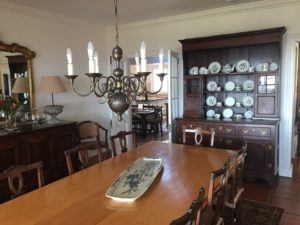
The property is but a short distance away, back down the narrow valley road and up a short lane through shady trees. I was immediately struck by the size of the property. There is ample space for 8 guests in 4 bedrooms (5 beds), all with bathrooms en suite, with more than enough parking. As I entered through the rear of the main building, I realised how well hidden the Farmhouse kept its beauty. The small porch leads into an open and well lit room with large yellowwood dining table with antique chairs and dressers against the walls. My breath was taken away, before I even had the chance further to explore, by the luxury and sumptuous furnishings and fittings. To my right was the spacious lounge with comfortable, soft padded sofas and open fireplace, a rarity for self-catering accommodation in the valley.


I ventured through to the kitchen on the right. I adore cooking and a kitchen defines a home for me. I fell in love with its sheer size and perfect proportion, the classic, elegant white painted cabinets with pine tops, the abundance of crockery and glassware in open shelves, the butcher’s block, granite worktop and small cosy dining table. There was an Aga too! It is said that unless and until you have owned an Aga you never appreciate them and that people talk about their Agas as if their favourite aunt. It is true – and not just to be read in the marketing material – for an Aga is the soul of a kitchen as much as a kitchen in the soul of a home. Constantly on in winter, the warmth from the cast iron stove pervades the surrounding rooms, pets, drying clothes, towels for warming and oneself. I wish I had had time to stay longer and cook on the large circular boiling plates with their opening lids or array of ovens each with their set temperature. It is very often the small details that matter and impress also: the welcome note and bottle of wine; the 2 kettles (great if 8 or more guests) and all the tea and coffee makings; filtered water; the plate heater; the bowl of lemons on the table; the recipe books; neatly laid out serviettes all colour coded in the drawers; safe and fire extinguisher; first aid kit; pre-charged torches (Eskom friendly) and soft lighting. I could not see a microwave. It mattered not and seemed in keeping as if Keermont was determined to ensure the Farmhouse guests were to be in luxury and in no hurry.
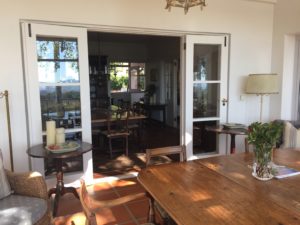

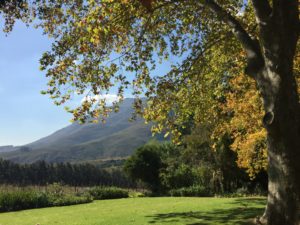
I ventured to the sunny conservatory by the dining room that was large enough for another table for eating or working and with comfortable seating. It was where my fiancée worked whilst I was wine tasting and complete with excellent wifi and power sockets to recharge her laptop. The view over sloping grassed lawns with landscaped trees to the refurbished vineyard and Stellenbosch beyond was magnificent. Table Mountain, Devil’s Peak and Lions Head were clearly visible as if to remind of home in Cape Town. Further buildings, with separate guest accommodation, flanked a large deep blue swimming pool with sun loungers and gas braai beside. I only wished it was the right time of year to have enjoyed it. To the rear, craggy mountains with their 45 degree weathered and fynbos covered slopes stood imperious overlooking the property.
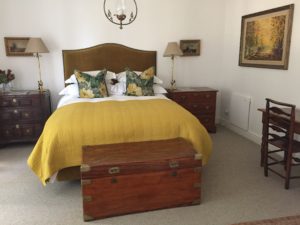


I just had to explore more before leaving for Kleinood. The standard and décor of the bedrooms was equally impressive with subtle pastel furnishings and matching bed linen, antique furniture and comfortable lighting for serious relaxation. Each bedroom was large enough and well enough appointed, with classic decorated bathroom with shower beside, to have been the master bedroom. The master bedroom itself was vast and laid out to enjoy the wonderful views to the rear. The extra king size bed was large enough to sleep a modestly sized family and certainly large enough to lose my fiancée in the night. Again the small touches were seen and mattered: the up-to-date magazines (unlike in any dentist waiting room) beside the bed; the torches on each bedside table; and plentiful clothes storage if needed for a long stay. The en suite bathroom was the size of most family bedrooms if not a small house, with standalone bath and shower for two.
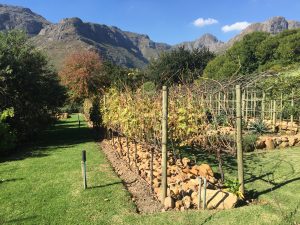

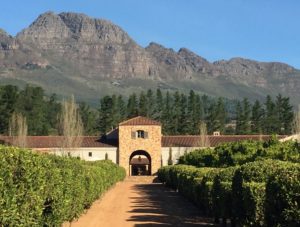
Soon it was time to leave. It was a short trip down the valley to Kleinood and Waterford. The entrances to the 2 wine estates are opposite on the narrow road but they could not be more different to each other (see separate, detailed tasting reviews). Kleinood is hidden and unassuming down a narrow lane, confident in the elegance and finesse of its Tamboerskloof wines, with rural setting and flowing mountain water. Waterford is grand with tree-lined avenue and nouveau riche Mediterranean-styled brash building with dummy gatehouse giving access to a large central courtyard. The entrances aptly promise their offering behind: open gate with low white-washed wall for Kleinood and statement, symmetrical, immaculately made dry stone wall for Waterford. The wines match. Kleinood offered just 3 wines for tasting, each with intense heady aromas with rare power balancing complex, defined flavours. Waterford makes a broad range of wines, covering all styles and colour, of variable quality and price level. These form part of 7 tasting ‘experiences’ that alone are more than double the number of wines for tasting at Kleinood. Diversity is for me the spice of life. How boring life would be if all were the same.
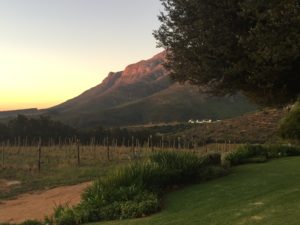

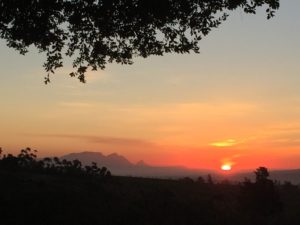
I returned to the Farmhouse at the end of the afternoon and in time to watch the setting sun over the distant mountains as the evening sky changed from azure to Persian blue to navy to indigo to midnight blue, lit beneath by the golden sun changing in colour to fire and amber is it slipped beneath the horizon. The heat gone, the dusk chill sent me indoors. My fiancée and I made a simple meal in the large kitchen. There were restaurants we could have eaten at in Stellenbosch but neither of us wanted to leave the comfort of the Farmhouse. After preparing a simple supper in the kitchen, we watched television in the sitting room close to the master bedroom (also complete with open fireplace for winter; aircon for summer). We retired to bed already relaxed. The overnight chill outside mattered not beneath the warmth and comfort of the fresh linen and bedclothes.


I awoke fully refreshed to open the shutters to fabulous morning views over the vineyards, serenaded by bird song. Tempted but ever mindful of water conservation that has made baths a thing of the path, in the Western Cape at least, my fiancée and I showered together beneath the large drench head. The large soft towels added to the luxury and actually dried – not always a given in many a hotel – as I made tea before breakfast. Nicole from Keermont kindly brought fresh fruit salad, croissants, cheese, jam and butter for our breakfast (and the bottle of Cabernet Franc). We saved the wine for later but enjoyed the morning sunshine from the conservatory, already warmed by the winter sun. I left after for an early tasting at De Trafford that is right at the top of the Upper Blaauwklippen Valley, past Keermont and as far as one can go. The oft-experimental and ground-breaking wines were superb if understandably pricy, with many made from grapes supplied by Keermont. It is no wonder given the outstanding, refined quality of these 2 wine estates, together with those of Kleinood, Haskell and Rust en Vrede, that this is one of my favourite wine areas in the Cape.
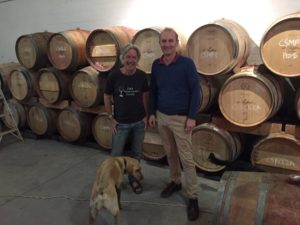

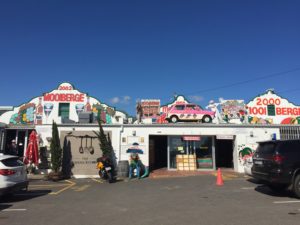
I returned to the Farmhouse to collect my fiancée as we took our time to return to Cape Town. I stopped for one last tasting at Guardian Peak (nearby Ernie Els being closed for Tasting Room and Cellar renovation until October) on our wayhome. I have separately reviewed the wines and experience. The views of Guardian Peak, the highest in the Stellenbosch Mountain range, were again spectacular. The wines were good but not in the class or quality of those over the hills and in the valley beyond. The final stop was to browse in the Mooiberge Farm Stall, well known for its strawberries in summer, beside the R44 heading South to the N2 highway and to Cape Town.


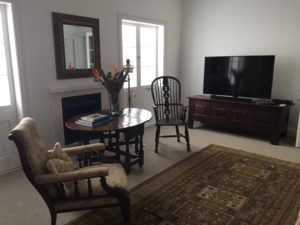
The trip may have been only 2 days but thoroughly enjoyable and re-energising ahead of forthcoming end of Cape Wine Academy Diploma final exams. The Keermont Farmhouse could not have been a better choice to stay and not simply due to its location close by to so many outstanding wine estates. It makes for a spectacular and sumptuous place to stay with superb setting. I am not easily impressed by other houses but the layout, spaciousness, high standard of décor and facilities – not to mention the smallest details – make it ideal for a weekend getaway or mid-week break. The views are as impressive as the absolute silence at night. The Farmhouse is not cheap (R10,000 per night, but only R1,250 per head if 8 people) but makes a perfect venue for several couples, a wedding party or celebratory anniversary with friends. In sum, the Farmhouse at Keermont redefines luxury …


Superb Views of Guardian Peak
GUARDIAN PEAK WINES
Friday 26 April 2019
https://www.guardianpeak.com/
Experience: 3.5/5
Wines: 3.5/5